Construction Site Security in Orlando, Staffed by Licensed Officers
Nexus Security Firm puts Florida licensed officers on Orlando job sites for the length of the build, from site clearing to punch list. The dispatch line is staffed around the clock, every day of the year.
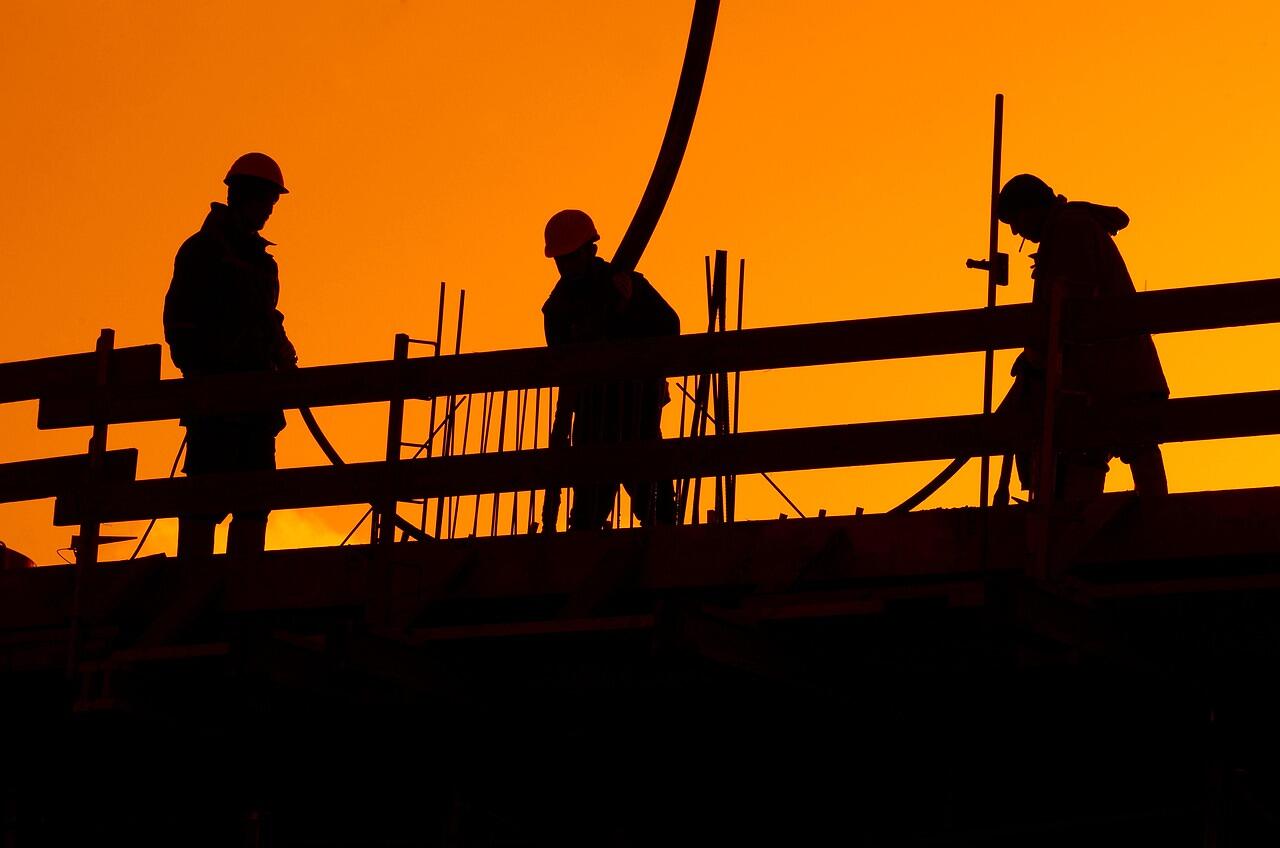
Construction security we staff in Orlando
Six coverage patterns, each built for a different part of a build. Most projects use two or three of them across the schedule, and the mix changes as the structure closes in.
Standing coverage
Patrol and logistics
What puts a security line in a project budget
General contractors, developers and project managers rarely budget for security at bid time. These are the six situations that send them looking for it partway through a job.
-
The first theft, and the days it costs
Most first calls come after something is already gone. A skid steer, a generator or a welder disappears between Friday evening and Monday morning, and the replacement invoice is the smaller half of the problem. The National Equipment Register and the NICB put the average single construction equipment theft at $30,000, with under 25% of stolen equipment ever recovered. Your insurer may write a check for the machine. The float you burn chasing a replacement, reworking the look ahead and explaining the slip to the owner comes out of your own margin.
-
Copper and wire during electrical rough-in
Rough-in is the phase that stacks the most portable value inside a building that still has no doors, locks or alarm. Reels of wire, panels, copper pipe and switchgear sit in a structure with open ends, and the people who take them reach the same conclusion your crew does about what is easy to carry out. The National Equipment Register and the NICB record more than 11,000 construction theft incidents a year across the country. An officer assigned through rough-in watches the stockpile, the openings a crew leaves at quitting time, and the vehicles that slow down outside the fence.
-
Tools and small items leaving with people who belong there
A share of what goes missing on a long job never crosses the fence line at night. It leaves at 3pm in a work truck driven by somebody carrying a legitimate badge. The National Equipment Register and the NICB put total US construction theft losses between $300 million and more than $1 billion a year, and small tools make up a large part of the count. A staffed gate changes the arithmetic, because every vehicle in and out is seen by a person who writes down who it was and when it left.
-
People sleeping inside an unfinished structure
A partially enclosed building is dry, empty after 5pm and reachable from the street, and downtown Orlando sites see it regularly. The safety exposure outgrows the theft exposure the moment somebody is sleeping on an unguarded floor with open shafts and no lighting. Florida unarmed officers hold a Class D license backed by 40 hours of FDACS-approved training, which covers how to make lawful contact with a trespasser. Officers ask the person to leave and call police if they refuse, because restraining somebody who is non violent creates exposure for you and for us.
-
A storm shutdown that leaves the site empty for days
Hurricane season is the one stretch of the Orlando calendar where a job site can sit unattended for three or four days with nobody scheduled to be there. Crews go home, the crane goes into weathervane, loose material gets strapped or laid down, and the gates close. Everything of value is still on site, and so is the damage that will need documenting once the weather clears. Coverage through a storm shutdown keeps eyes on the laydown yard and produces a written record of the condition the site was in going in and coming out.
-
Security written into the contract by an owner, lender or insurer
Plenty of projects carry a security requirement nobody priced at bid, and it surfaces when the owner, the lender or the builders risk carrier asks who is covering the site overnight. What those parties want to see is a licensed agency and an officer roster they can check. Florida requires the agency itself to hold a Class B license, and Nexus Security Firm holds B 1900066, which anybody can look up on the FDACS Division of Licensing public license search. Individual officers hold their own Class D or Class G numbers, checkable the same way.

Why contractors staff a post instead of renting a camera
Most companies ranking for construction security in Florida sell camera trailers and remote video monitoring. Those are real products with real uses, and they answer a different question from the one a superintendent is asking at 2am.
-
An officer can challenge the person standing there
A camera produces a recording and a monitoring center produces an alarm call. An officer walking the laydown yard makes contact before the connex doors are open, asks who the person is, tells them to leave, and calls police to report a burglary in progress with a live witness on the line. That is a different police priority and a different outcome for your material. The same officer logs the delivery that arrives at 6:40am, finds the gate somebody left open, and tells your superintendent about both in the morning.
Florida Class D officers complete 40 hours of FDACS-approved training (FDACS Division of Licensing)
-
Coverage patterned to the build schedule
Risk on a job site moves with the work. Sitework and foundations expose heavy equipment and fuel, rough-in exposes copper and switchgear, dry-in closes the envelope and takes most of it away, and finishes bring appliances, fixtures and flooring back in on pallets. Coverage that ignores that curve either overspends for months or leaves the wrong phase thin. We plan the pattern against your schedule, and we say so when a shorter shift or a patrol route would cover you for less than a standing post.
Construction theft runs 11,000 plus incidents a year nationally (National Equipment Register / NICB)
-
A supervisor on the post and a written record of the shift
Guard turnover across the industry reached 77% in 2024 according to ASIS International, and the complaint every project manager makes comes straight out of that number: a different stranger every week who does not know your gate, your subs or your laydown plan. A supervisor is assigned to each of our posts and physically attends it, including overnight. What happens on site is documented and the documentation goes to you, so an insurance claim, an owner conversation or a dispute with a sub has something behind it.
Industry guard turnover hit 77% in 2024 (ASIS International)
Send us the site and the schedule
Tell us where the job is, what phase it is in, and which hours worry you. We will come back with a coverage pattern and an hourly rate for it. If three patrol checks a night would cover the site for a fraction of a standing post, we will say so.
Price a site post before it goes in the project budget
A site post is priced on officer hours, so the schedule decides the number long before the site walk does. Answer five questions and you have a range to test a subcontractor quote against.
The band behind this comes from Florida wage data (ZipRecruiter, Salary.com, Indeed, 2026) with the 1.5x to 2x bill-rate markup the industry uses (Belfry Software, 2026). A site walk produces the real rate.
What construction theft costs the industry
Four figures worth having in front of you before you price a security line. Each one comes from the body that compiles it.
- 11,000+ construction equipment theft incidents reported in the US each year National Equipment Register / NICB
- $30,000 average value of a single construction equipment theft National Equipment Register / NICB
- Under 25% of stolen construction equipment is ever recovered National Equipment Register / NICB
- 40 hours of FDACS-approved training behind a Florida Class D officer license FDACS Division of Licensing
How a post gets set up on an Orlando job site
Four steps run between your first call and an officer on the gate. The first two happen before anybody is billed an hour.
-
We walk the site with your superintendent
A supervisor walks the perimeter, the gates, the trailer compound, the laydown yard and the fuel storage with whoever runs the job. We want to know where the fence is weak, where the street sight lines run, which subs are on site at which hours, and where deliveries stage. That walk is what separates post orders written for your job from a form filled in with your address.
-
We write post orders for this job
Post orders state what the officer does in our materials: which gates get locked at what time, who is authorized to enter after hours, what gets logged, who gets called for what, and where the officer stands and walks. They name your superintendent, your project manager and the escalation order. They get rewritten when the phase changes, and the officer carries them on post.
-
We staff the post and brief the officer on site
The officer assigned to your job is walked through the site by the supervisor who did the original walk, before the first shift, so your first night is spent on coverage. Officers hold a current Class D license, plus a Class G where the post is armed. You get the license numbers and can check them yourself on the FDACS lookup.
-
We supervise, document and change the pattern as the job moves
A supervisor attends the post, overnight shifts included. Anything that happens on site is written up and the write-up goes to you. When the building dries in and the exposure drops, we come back to you about scaling coverage down, because a pattern written for foundations is the wrong pattern for finishes.
Construction site security questions from Orlando contractors
The questions that come up on almost every first call, answered with the numbers we would give you on the phone.