Job Site Mobile Patrol Across Orlando
Nexus Security Firm runs marked vehicle checks on Orlando job sites at irregular hours through the night, with every check logged and reported. Dispatch is reachable at any hour.
What happens on a patrol check
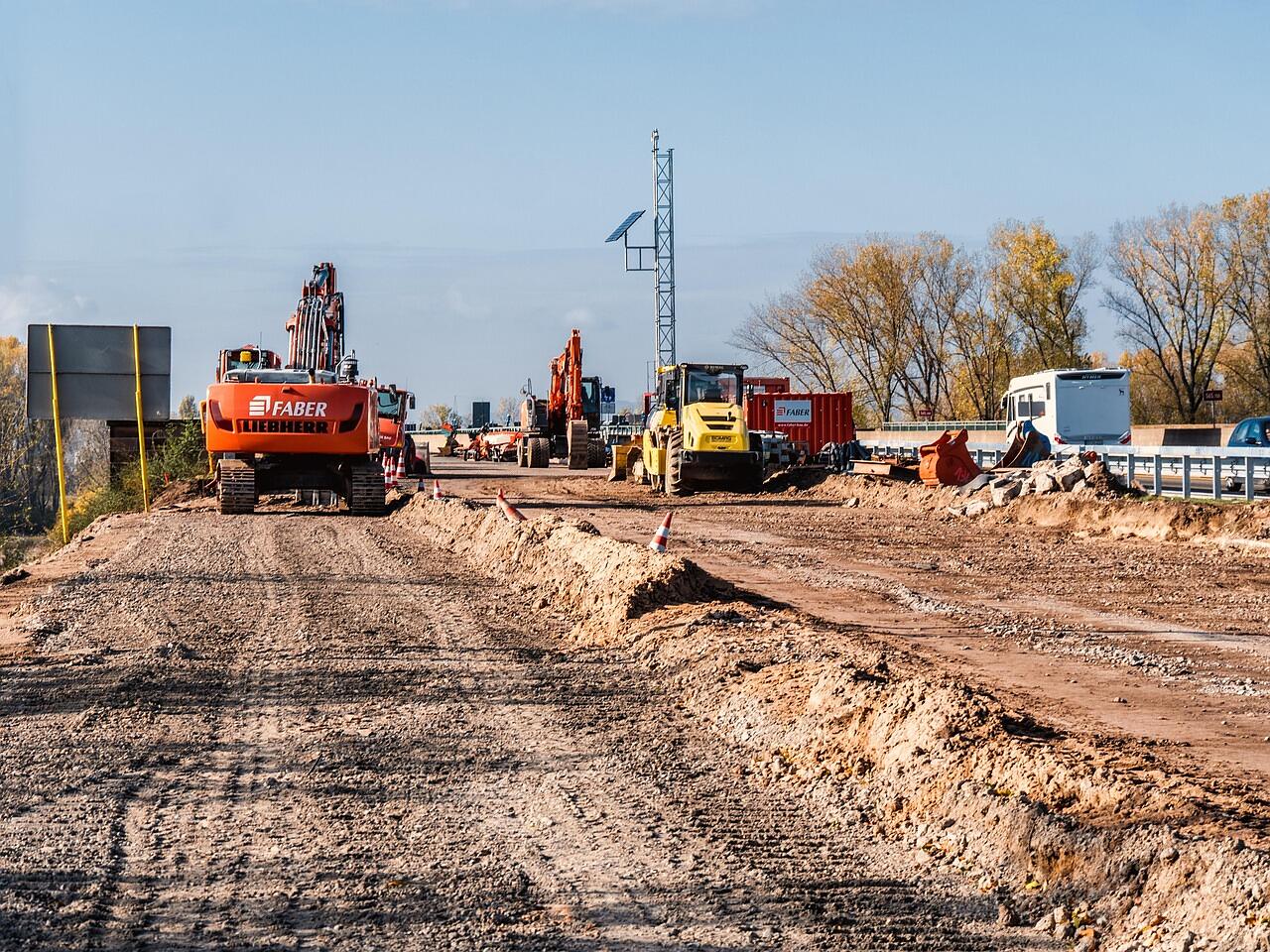
A patrol check is an officer out of the vehicle, on foot, working a written route on your site. The vehicle is marked and the arrival is meant to be visible, because most of the deterrent value is in a truck with lights and lettering pulling up at an unpredictable hour.
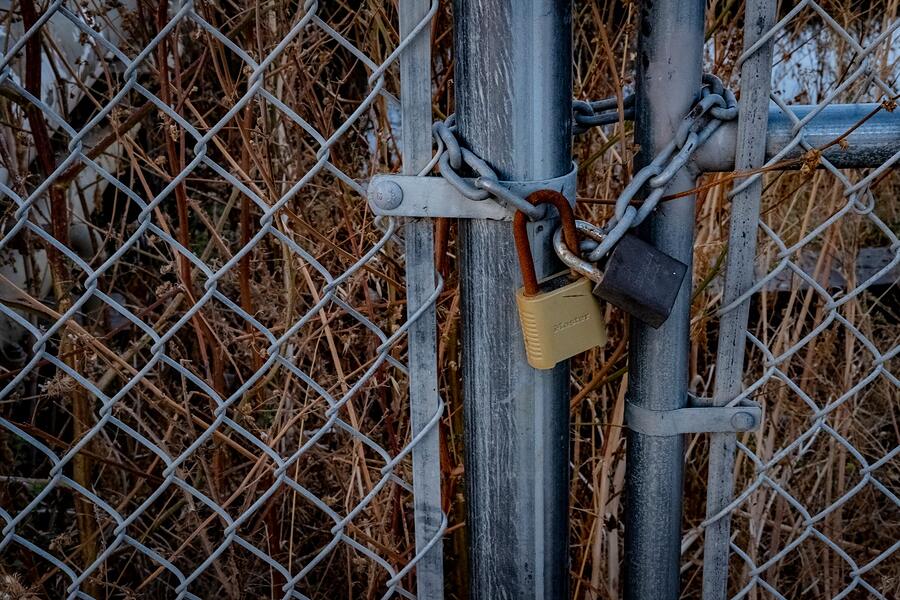
On the ground the officer covers the points your post orders name: gates and their locks, the equipment line, job boxes and containers, fuel storage, the trailer compound, the staged material, and the elevations where the fence is weakest. Doors and boxes get physically tried, with a hand on the lock. Lighting failures, fence cuts, open gates and anything moved since the last check get written down with a time.
Check times are irregular by design. A patrol that arrives at 11pm, 1am and 3am every night is a schedule anybody watching the site can work around inside a week, and the whole point of an unpredictable check is that the site could be visited at any moment. The log that reaches you shows the actual times, so you can see the pattern you are paying for.
Price a site post before it goes in the project budget
A site post is priced on officer hours, so the schedule decides the number long before the site walk does. Answer five questions and you have a range to test a subcontractor quote against.
The band behind this comes from Florida wage data (ZipRecruiter, Salary.com, Indeed, 2026) with the 1.5x to 2x bill-rate markup the industry uses (Belfry Software, 2026). A site walk produces the real rate.
Who buys patrol instead of a standing post
Four kinds of project buy patrol. Builders running several sites at once, which in Orlando usually means production homebuilders and site work contractors with crews spread across Horizon West, St. Cloud, Apopka and the 429 corridor. Projects past dry-in, where the envelope is closed and lockable and a twelve hour post is more coverage than the exposure justifies. Small jobs where a standing officer would cost more than everything on the site. And dormant sites, including projects paused for permitting, financing or weather.
The economics are what drive it. A standing overnight post at Central Florida rates of $24 to $34 an hour unarmed runs a full twelve hour night; a patrol pattern buys you presence at the hours that matter for a fraction of that. Against the National Equipment Register and NICB figure of more than 11,000 construction theft incidents a year, patrol is the coverage most sites can afford to keep running for the whole schedule.
The projects patrol suits least are large open footprints with high value staged on the ground, which is where the gap between checks is long enough to matter.
What a patrol pattern leaves uncovered
Between checks, nobody is there. That is the honest limit of the product and the reason we ask what is on your site before recommending it. Three checks a night on a twelve hour window leaves several unattended hours, and anybody who has watched the site for a week knows roughly how long they have.
Contractors describe the failure directly: a job box broken into while security was on site, because the patrol covered the part of the property it was routed through and the box was somewhere else. A patrol only protects what the route reaches, so the route matters as much as the frequency.
Where that limit bites, the answer is usually more checks in the highest risk window instead of an even spread, or a standing post during the phase when value peaks and patrol for the rest of the job. We would rather move your hours than sell you more of them.
How patrol is priced and what moves it
Patrol prices per check rather than per hour, and the figure depends on how long the check takes and how far the officer drives to reach you. Operators discussing this openly put legacy drive-by checks at $8 to $15 each, a substantive check with the officer out of the vehicle walking the site around $55 with three a night described as competitive, and up to $100 for a long check on a large property. Ours are quoted the same way and presented as a monthly figure, because a per check number multiplied by nights is the only way to compare offers side by side.
Route density is the single biggest lever on your price, and it is worth understanding before you shop. An officer already covering three sites within a few miles of yours can add you at a marginal cost; the same officer driving twenty minutes each way to reach a site alone carries that drive time in your rate. Buyers in the industry advise each other to find a company already servicing nearby properties, and that advice is correct. Ask us what else we cover near your job.
The other movers: the number of checks a night, whether weekends and holidays are included, how long a full circuit of your site takes on foot, and whether the officer is armed. Most construction patrol work is unarmed Class D coverage.
Orlando geography decides what patrol costs you
This metro spreads across four counties of active construction, and drive time between sites is the cost nobody quotes you directly. A patrol route through downtown and the Mills 50 and Colonialtown blocks covers several projects inside a few minutes. A route serving one site in St. Cloud and another in Apopka spends most of its night on the 417.
Where we already run routes, added sites price better. Our office is on Lawton Road near the Colonial corridor, and the submarkets where construction density makes patrol most efficient are downtown and the Mills district, Winter Park and Maitland, the tourism corridor and International Drive, Lake Nona and Medical City, and the UCF and Research Park corridor. Horizon West, Winter Garden, Ocoee, Apopka, Sanford, Altamonte Springs, Kissimmee and St. Cloud are all covered, with the route economics depending on what else runs nearby.
Hurricane season changes patrol demand more sharply than it changes standing posts. A storm shutdown leaves dozens of sites unattended for days at once, and the checks that matter are the ones immediately after the weather clears, when damage needs documenting and a site full of displaced material is at its most exposed.
Who runs the patrol and how to verify them
Patrol officers hold the same Florida licenses as our standing post officers. Unarmed work requires a Class D, which FDACS backs with 40 hours of approved training on a two year term. Armed patrol requires a Class G in addition, with four hours of firearms requalification in each year of the cycle.
The agency itself must hold a Class B license under Chapter 493 of the Florida Statutes. Nexus Security Firm holds B 1900066. Every one of these numbers is public record on the FDACS Division of Licensing license search, which returns status and expiration.
A supervisor is assigned to patrol routes and attends sites on them, which is how route discipline holds up over a long contract. The failure mode in patrol work is the drive-by that never becomes a walk, and supervision plus a check log with times is what keeps that honest.
Other posts commonly set up on the same project
A job site rarely needs one post on its own; these are the ones that usually sit beside it.
How a patrol route gets set up
A route is written before it is run, because a patrol with no written check points is a truck driving past your gate.
-
Site walk and check point selection
A supervisor walks your site and picks the points a check has to reach: the gates, the equipment line, the containers and boxes, the fuel, the weakest fence runs and the street-facing elevations. Those points become the route, and a check is complete when all of them have been covered on foot.
-
Frequency set against the exposure window
We decide how many checks a night and when they cluster. Most Orlando construction sites weight checks toward the first hours after the crew leaves and the small hours. Weekends and holiday weekends get their own frequency because the unattended stretch is longer.
-
Route economics reviewed
We tell you what else we already cover near your site, because that is what decides your marginal cost. If your project sits alone at the edge of a route, you will hear that from us with the price it implies rather than finding out through a rate you cannot explain.
-
Logged checks and pattern review
Every check is logged with its actual time and what the officer found, and the log goes to your project team. When the log or an incident shows the exposure moving to a different window, the frequency moves with it.
Why our patrol is worth more than a drive-by
-
The officer gets out of the truck
Drive-by checks are the cheapest product in this industry and the least useful, because a lock you cannot see from a moving vehicle is a lock you have not checked. Our checks are walked, with named check points and a log that shows what was tried and what was found. That is the difference between a service you can verify and a headlight passing your gate at 2am, and it is why per check pricing for a walked check sits far above the drive-by rate anywhere in the market.
Under 25% of stolen construction equipment is ever recovered (National Equipment Register / NICB)
-
Unpredictable timing, recorded as it happened
A patrol on a fixed schedule is a schedule for whoever is watching. Checks are spaced irregularly and clustered toward the windows where loss on your site type happens. The log you get shows the real times, so the unpredictability is something you can audit instead of something you are told about. Over a month that log also builds a picture of your site that nobody else has: which nights the gate was left open, which lights failed, which vehicle came back.
Construction theft runs 11,000 plus incidents a year nationally (National Equipment Register / NICB)
-
We tell you when patrol is the wrong buy
Patrol suits closed-up sites, small jobs, spread-out portfolios and dormant projects. It does not suit a large open footprint with copper staged on the ground through rough-in, where the gap between checks is long enough for a truck to load. When that is your site, we say so and price the standing post instead, and we come back to patrol when the phase changes and the exposure drops.
Nexus Security Firm holds FDACS Class B agency license B 1900066
What Reddit Says About Job Site Mobile Patrol in Orlando
Mobile patrol is the one security product where operators discuss pricing openly, and the numbers they give are useful to a buyer. Legacy drive-by checks are quoted around $8 to $15 each, which several operators describe as a product that survives on clients who do not know what they are buying. A real check with the officer out of the vehicle is put around $55, with three checks a night described as a competitive package, and a long check on a big property running up toward $100. The advice operators give each other is to present it to the client as a monthly figure, which is also how a buyer should ask for it.
The consistent message on cost is that route density drives the price. A patrol company already covering buildings near you can absorb your site for very little extra; one sending a vehicle across the metro for a single stop cannot. Buyers are told outright to find a company already servicing nearby properties, which is a question worth asking every bidder.
The limit of the product comes up too. One contractor described a job box broken into while security was on site, and the takeaway in the thread was about route coverage rather than about guard failure: a patrol protects what the route reaches. The related complaint, from buyers in other property types, is coverage sold as coverage, like an association paying for four hours a night four nights a week and being hit in the unguarded hours.
Underneath it all is the lowest bidder thread, where an industry commenter noted that competing on price decides who ends up standing at your gate, and another described the trickle down as forcing the hire of people they would never hire for the work.
A typical patrol call from an Orlando builder
The situation: A common call from a production homebuilder running four active subdivisions across west Orange County and one in St. Cloud, with framing packages, windows and appliances delivered ahead of installation on a rolling basis. Nothing on any single site justifies a standing officer, and the losses have been steady and small: appliance packages from houses at trim stage, window units, bundles of lumber taken overnight. The builder had been using a drive-by service that produced a report every morning and no change in the losses.
What gets done: A supervisor walks the four Orange County communities and finds the pattern is concentrated in homes between dry-in and closing, where appliances land and doors are hung but locks are not yet keyed. Check points are written per community around those lots instead of the whole subdivision, with the officer walking the block and physically trying the houses that hold delivered material. Checks are set at three a night on the Orange County communities, clustered between the crew leaving and the small hours, with the St. Cloud site priced separately because the drive sits outside the route and the builder deserves to see that cost on its own line.
How it turns out: The check log shows unlocked and unsecured houses on the first several nights, and the builder changes the delivery sequence so appliances arrive after the locks are keyed. That alone removes most of the exposure. The patrol catches a vehicle on the stub road of the newest phase twice in two weeks, logged with a description and a tag, and the checks on that community move later. Losses drop from weekly to occasional, and the St. Cloud site drops to weekend-only checks once the builder sees the drive time priced on its own line.
Mobile patrol questions
What Orlando builders and contractors ask before signing a patrol contract.