Equipment and Material Theft Prevention on Orlando Job Sites
Nexus Security Firm covers the machines, fuel, copper and staged material that make a construction site worth breaking into. Officers are licensed under Florida Chapter 493 and dispatch is staffed every hour of the year.

What theft prevention covers on a construction site
The service starts with an inventory of where your value sits, then puts officer hours against it. On most Orlando jobs the list runs: tracked and wheeled equipment and their attachments, fuel and diesel tanks, generators and compressors, copper wire and pipe, switchgear and panels, tools in job boxes, and toward the end of the job appliances, fixtures and flooring on pallets.
Officer coverage then follows the value. That means a patrol pattern weighted to the equipment line and the laydown yard, a lock-up walk that confirms boxes, cabs and fuel caps are secured at the end of the crew day, and logged checks through the night at irregular times. Where a gate is staffed, it means checking material and equipment leaving the property against what is supposed to be leaving.
It also means telling you what officer hours will not fix. A lot of construction loss is a storage and staging problem, and a post that covers a site where tools are left in an open trailer is being asked to do work that a locked container would do for a fraction of the cost. We say that during the walk.
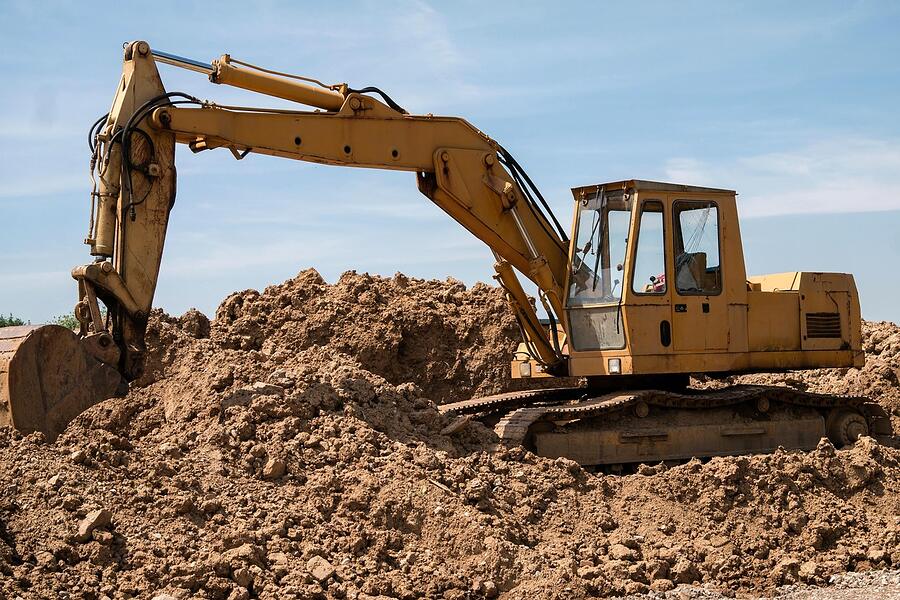
The loss numbers that justify the line item
Construction theft is a large, poorly recovered, poorly prosecuted category. The National Equipment Register and the NICB record more than 11,000 construction equipment theft incidents a year in the US, put total annual industry losses between $300 million and more than $1 billion, and find that under 25% of stolen equipment is ever recovered.
The average single equipment theft comes in around $30,000 according to the same source, which is the number that matters when you are comparing a security line against a deductible. One machine covers several months of a patrol pattern in most Orlando price bands.
The cost your insurer does not carry is the schedule. A stolen excavator is replaced with a rental at a price you did not budget, on a delivery date you do not control, and the days lost show up in the look ahead as a slip you explain to the owner. That second cost is the one contractors describe as the reason they stopped treating theft as an insurance question.
What reduces theft, in the order it works
Hardened storage does more per dollar than fencing, and it is the first thing we recommend even though it is not something we bill for. Contractors and site operators consistently report that a locked steel container holds where a fence does not, because people who steal from job sites work around obstacles instead of through them. A fence redirects. A container stops.
Staging discipline is second. Material delivered a month before it is needed sits exposed for a month. Copper landed on site before the electricians are ready to pull it is copper waiting for somebody else. Compressing the gap between delivery and installation removes exposure that no amount of coverage buys back.
Lighting is third and is the cheapest deterrent on any site. Dark elevations are where the fence gets cut, and site lighting that fails at 11pm is a hole in your coverage that nobody notices until an officer with a written lighting check finds it.
Officer coverage is fourth on that list and first in effect once the three above are handled, because the residual risk after storage, staging and lighting is the part that requires a person: somebody who can see a stranger, challenge them, and call police while the theft is still in progress.
Why a person changes the police response
The difference between a camera and an officer shows up at the dispatch center. An unverified alarm activation from a monitored camera goes into a queue as an alarm, and law enforcement treats those according to their own priority rules. A call from a person standing on the property who can describe a suspect, a vehicle and what is being loaded is a burglary in progress with a live witness, which is a different priority.
Contractors discussing monitored systems make exactly this point about verification, and it is the strongest argument for video on a site. A licensed officer is the same argument taken further, because the verification is a person who can also lock the gate, secure the box, and tell you what happened before you arrive in the morning.
The other thing a camera cannot do is prevent the loss it records. Under 25% of stolen construction equipment is recovered according to the National Equipment Register and NICB, so a recording of a machine leaving your site is documentation of a loss you are probably keeping.
Unarmed officers cover most theft exposure
Theft prevention work is observation, deterrence and reporting, which is unarmed Class D work on the large majority of Orlando sites. Florida backs that license with 40 hours of FDACS-approved training over a two year term.
Where armed coverage earns its rate is a site with stockpiled high value material and a history of confrontation, or a location the officer works alone on a street with a violent incident record. A Class G armed license sits on top of the Class D and carries four hours of firearms requalification each year of the two year cycle under FDACS rules.
What we will not do is arm a post to make a proposal look stronger. Officers themselves are markedly less keen on armed posts than vendor marketing implies, and the position that recurs among working officers is that arming should follow the actual risk at that post. On a fenced subdivision site with equipment and no history, it does not.
Orlando conditions that raise equipment exposure
Two features of this metro make equipment easier to move than in most markets. The first is volume: Orlando builds continuously across Horizon West, Lake Nona, the tourism corridor, downtown and the UCF corridor, which means stolen attachments and machines blend into a market full of legitimately moving equipment. A skid steer on a trailer on I-4 at 3am looks like work.
The second is the road network. A site within a few minutes of I-4, the 408, the 417 or the Turnpike is a site where a machine is out of the county before anybody notices. That is why we weight patrol timing toward the hours after the crew leaves rather than spreading checks evenly across the night.
Hurricane season adds a third factor. A storm shutdown can leave a site with strapped material and no scheduled attendance for several days, which is the longest unobserved window most Orlando jobs have. Coverage through a shutdown also produces a dated record of condition, which is useful when the builders risk claim needs to separate storm damage from what somebody carried off.
What coverage costs and how to check our license
Central Florida officer rates run about $24 to $34 an hour unarmed and $32 to $46 armed, and the pattern you buy matters more than the hourly figure. A standing overnight post is the highest cost and the highest coverage. A patrol pattern with several logged checks a night costs a fraction of it and fits sites where the exposure is concentrated in a locked yard. Belfry Software (2026) puts bill rates at 1.5x to 2x the officer wage with roughly 70% reaching the officer, so a bid well under the band is telling you something about staffing.
On licensing, Chapter 493 requires the agency to hold a Class B license and Nexus Security Firm holds B 1900066. Officers hold their own Class D or Class G numbers. All of it is searchable on the FDACS Division of Licensing public license search, which shows status and expiration for the agency and the individual.
Ask for the officer number covering your site and look it up. A company that will not give you a number to check has told you how much scrutiny it expects.
Other posts commonly set up on the same project
A job site rarely needs one post on its own; these are the ones that usually sit beside it.
How a theft prevention plan gets built
The first two steps produce recommendations you can act on with or without hiring us.
-
Value mapping walk
A supervisor walks the site with your superintendent and maps where value sits and how it leaves: equipment line, fuel, job boxes, staged material, the gate, the fence weak points and the street sight lines. We write down what is stored where and how it is secured overnight.
-
Storage, staging and lighting recommendations
Before any coverage is priced you get the list of things that reduce exposure without officer hours: what belongs in a hardened container, which deliveries are landing too early, and which elevations go dark. These cost you nothing from us and they change what coverage you need.
-
Coverage patterned to the residual risk
Post orders put officer hours against what is left, weighted to the hours and the areas where loss happens on your site. That might be a standing overnight post, a patrol pattern with logged checks, a staffed gate during material deliveries, or a combination that changes by phase.
-
Documentation and review
Incidents are documented and the documentation goes to you, so patterns are visible before they become a claim. Coverage is reviewed when the phase changes, because the material on your site in month two and month ten is a different target.
Why officer coverage beats a camera trailer on equipment risk
-
A person interrupts a theft that a camera records
The gap between detection and interruption is where construction loss lives. A monitoring operator watching a feed can call an alarm in; an officer on site can walk toward the equipment line and make contact before the trailer ramps are down. When police are called it is as a burglary in progress with a witness on the property, which moves the response. Recovery statistics explain why interruption matters so much more than documentation here, because the machine you watch leave is usually the machine you do not get back.
Under 25% of stolen construction equipment is ever recovered (National Equipment Register / NICB)
-
We tell you what to fix before we sell you hours
Officer hours are the most expensive layer of a theft prevention plan and the last one that should be added. Hardened storage, tighter delivery staging and working site lighting take exposure off the site permanently, and they are the first things in our walk report whether or not you hire us. The coverage we then propose is sized to what is left, which on a well organized site is smaller than what most companies would quote you.
Construction theft runs 11,000 plus incidents a year nationally (National Equipment Register / NICB)
-
Documented incidents you can use
A loss with no paperwork behind it is a difficult insurance conversation and an impossible police one. Incidents on our posts are written up with times, descriptions, vehicle details where they exist, and what the officer did, and that documentation goes to your project team. Over a long job it also shows you a pattern: the same vehicle at the fence line twice in a month is information nobody has unless somebody is writing it down.
Average single construction equipment theft is around $30,000 (National Equipment Register / NICB)
What Reddit Says About Construction Equipment Theft in Orlando
The most useful advice in construction threads has nothing to do with buying security and everything to do with storage. The consensus is that hardened storage such as steel shipping containers beats fencing, because people who steal from job sites work around obstacles instead of through them. A fence moves the entry point. A container removes the target. Contractors who have been hit repeatedly describe container storage as the change that finally worked.
The second recurring point is about verification and police response. Contractors discussing monitored camera systems note that a verified activation gets dispatched as a burglary in progress rather than as a routine alarm, and that the difference in response is material. It is the strongest argument made for video on a job site, and it applies with more force to a licensed person on the property who can describe what is happening while it happens.
The third is a warning about assuming coverage equals protection. One contractor had a job box broken into while security was on site. Nobody in the thread concluded that security was pointless; the conclusion was that a patrol only protects what it reaches, and that a large footprint with one officer leaves long stretches of the site unattended between passes. It is the right question to ask any company quoting you a single post on a big site.
Underneath all of it sits the economics thread, where an industry commenter observed that competing on lowest bid decides who ends up standing at your gate. On an equipment-heavy site, that is the person deciding whether to walk toward a noise at 2am.
A typical equipment theft call from an Orlando site
The situation: A common call from a site work contractor on a Horizon West residential subdivision. The job runs across a large open parcel with equipment parked in a loose line at the end of each day and fuel stored on a trailer. Over six weeks the losses have been attachments rather than machines: a hydraulic breaker, two buckets, a plate compactor, and diesel drawn off overnight more than once. The fence is temporary panel fencing around the staging area and open ground everywhere else. Insurance has paid on one item and the rest sat under the deductible.
What gets done: The walk produces a storage list before any coverage is priced: attachments into a lockable container at the end of the crew day, fuel trailer moved inside the staged area and locked, equipment parked in a tight block with cabs locked and buckets grounded, and two light towers repositioned to cover the parcel edge the crew stopped using. Coverage is then sized to what is left, which is a patrol pattern with several logged checks a night through the hours after the crew leaves, weighted toward the staging area, with the officer doing a lock-up confirmation on the first pass.
How it turns out: The lock-up check catches unsecured cabs in the first week and the habit changes. A vehicle sitting on the access road after midnight gets logged twice in a month with a description and a tag, and the checks move to cover that window more heavily. Attachment losses stop. When the job moves into vertical construction and copper starts landing on site, the pattern is revisited and a standing overnight post replaces the patrol for the length of the rough-in phase.
Equipment and material theft questions
What Orlando contractors ask when the losses have already started.