Overnight Construction Site Security in Orlando
Nexus Security Firm staffs a licensed officer on your Orlando job site through the hours when nobody from the project is there. Dispatch answers around the clock, seven days a week.
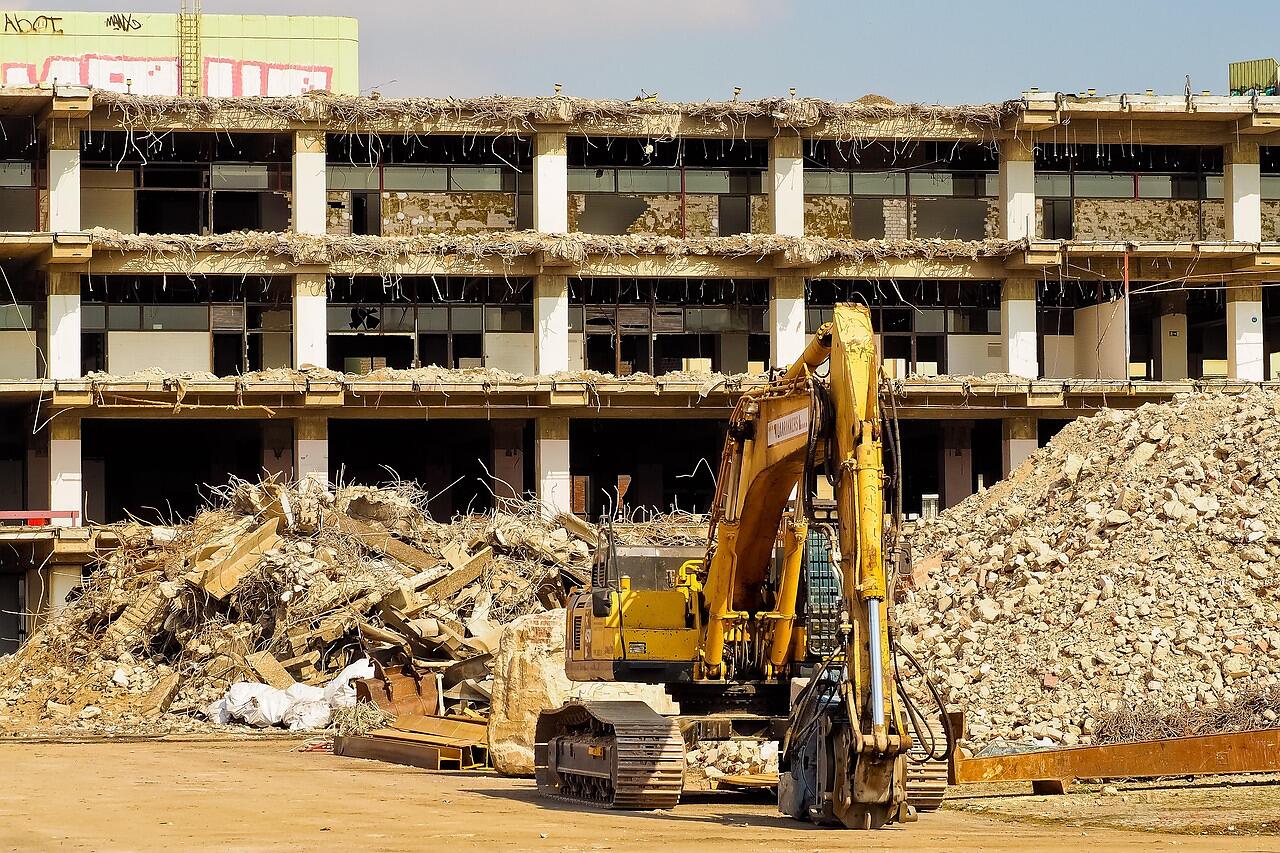
What an overnight post covers
An overnight post is one officer, on your site, for a defined block of hours between the last crew leaving and the first crew arriving. The shift starts with a lock-up walk: gates, trailer compound, connex boxes, fuel storage, tower or hoist access, and any opening a sub left in the envelope at quitting time.
Through the night the officer works a patrol pattern written for your site, covering the laydown yard, the equipment line, the perimeter fence and the street-facing elevations at irregular intervals. Anything found is logged with a time: an unlocked box, a cut in the fence fabric, a vehicle parked against the perimeter for twenty minutes, a person on the site who has no business there.
The shift ends with a handover that reaches your superintendent, so the first thing the project team learns in the morning is what happened while they were gone. Where the post is a gate instead of a roving patrol, the officer also controls after-hours entry: concrete trucks staging for an early pour, a sub picking up a tool, an owner rep who wants to walk the floor at 5am.
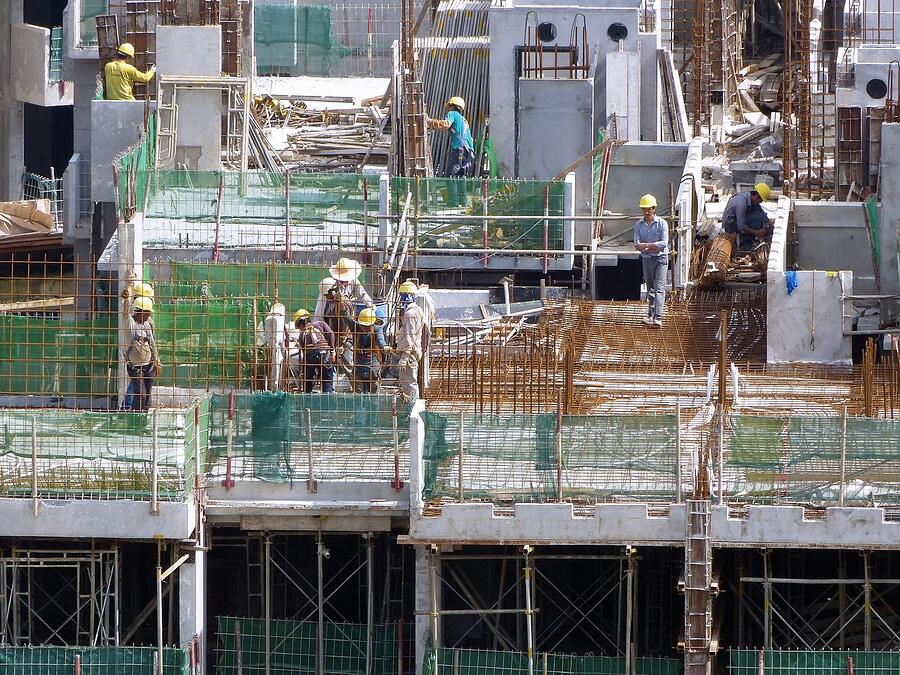
Price a site post before it goes in the project budget
A site post is priced on officer hours, so the schedule decides the number long before the site walk does. Answer five questions and you have a range to test a subcontractor quote against.
The band behind this comes from Florida wage data (ZipRecruiter, Salary.com, Indeed, 2026) with the 1.5x to 2x bill-rate markup the industry uses (Belfry Software, 2026). A site walk produces the real rate.
Who puts an overnight post on a job
The buyer is almost always the general contractor or the project manager, and the trigger is almost always a loss that already happened. The National Equipment Register and the NICB put the average single construction equipment theft at $30,000, with under 25% of equipment ever recovered, and the second loss on the same site is what converts a line item nobody wanted into one that gets approved.
Developers and owner reps buy it for a different reason, usually because the builders risk carrier or the lender asked who is on the property after hours. On public and institutional work it can arrive as a specification requirement written into the contract documents before the notice to proceed.
The projects where an overnight post pays for itself fastest share three traits: a long schedule, high value material staged on the ground, and a street frontage that lets anybody see what is sitting there. A twelve month mid-rise with a laydown yard visible from a public sidewalk fits all three.
Most overnight construction posts should be unarmed
Unarmed is the right answer for the large majority of Orlando job sites, and we will say so during the site walk. An unarmed Class D officer deters, observes, documents and calls police, which covers the overwhelming share of what happens on a construction site at 2am: scrappers, people looking for copper, somebody looking for a place to sleep, and teenagers in an unfinished stair tower.
Armed coverage becomes the right call under specific conditions. A prior armed confrontation on the job. A site holding stockpiled copper, switchgear or completed mechanical equipment in volume. A location where the surrounding blocks carry a record of violent incidents and the officer is alone for twelve hours. Florida armed officers add a Class G license on top of the Class D, and FDACS requires four hours of firearms requalification in each year of the two year license period.
Working officers are less enthusiastic about being armed than security marketing implies, and the position that recurs in their own forums is that arming should follow the actual risk at that post. We price it either way and explain which one the site argues for.
What overnight coverage costs and what moves the rate
A Central Florida unarmed officer bills in the range of $24 to $34 an hour, and an armed officer $32 to $46. A twelve hour overnight post seven nights a week therefore runs into a mid five figure annual line on a project that lasts a year, which is the number worth putting against the $30,000 average single theft the National Equipment Register and NICB record.
The rate structure is not a mystery. Belfry Software (2026) puts industry bill rates at roughly 1.5x to 2x the officer wage, with about 70% of the bill rate reaching the officer and around 10% going to indirect cost. That arithmetic is why a bid far below the band tells you who will be standing at your gate.
What pushes your number up: armed coverage, weekend and holiday hours, a short-notice start, a single shift a week, a second post, and a site that needs a patrol vehicle to cover its footprint. What brings it down: a consistent weekly schedule, a full seven night pattern in place of scattered nights, and combining an overnight post with daytime gate coverage so supervision is shared across more hours.
Orlando conditions that change the overnight job
Two things shape overnight work here more than anywhere else in the schedule: the construction volume and the weather. Orlando is building continuously across the tourism corridor, Lake Nona and Medical City, downtown, Horizon West and the UCF student housing market, which means a thief working the metro has a choice of targets and takes the softest one on the street.
Hurricane season is the other factor. A named storm can shut a site for three or four days with material strapped down and nobody scheduled to attend, and that gap is the longest unobserved stretch most Orlando projects ever have. Coverage through a shutdown also produces a dated written record of site condition going into the storm and coming out of it, which matters when the builders risk claim gets written.
Summer nights add a practical wrinkle. Afternoon storms leave sites wet and dark, generators and site lighting fail, and an officer with a written lighting checklist finds the failure at 11pm rather than the superintendent finding it at 6am.
How to verify the license before the first shift
Florida makes every number here public, so you can check us before you sign anything. The agency itself must hold a Class B license under Chapter 493 of the Florida Statutes, and Nexus Security Firm holds B 1900066.
Individual officers hold their own licenses: Class D for unarmed work, which FDACS backs with 40 hours of approved training and a two year term, and Class G for armed work with four hours of firearms requalification each year. Search any of those numbers on the FDACS Division of Licensing public license search and the record shows status and expiration.
Ask for the officer number of whoever is assigned to your overnight post and check it yourself. Ask the same of any company bidding against us. A firm that says it is licensed without giving you a number is asking for trust it has not offered to let you verify.
Other posts commonly set up on the same project
A job site rarely needs one post on its own; these are the ones that usually sit beside it.
How an overnight post gets stood up
Four steps, two of which happen before you are billed for an hour of coverage.
-
Night walk of the site
A supervisor walks the site after dark with your superintendent where possible, because the site at 9pm bears little resemblance to the site at noon. Lighting gaps, fence weak points, street sight lines and the places somebody would climb in all show up at night and hide during the day.
-
Post orders written for this site
The orders name the gates and their lock times, the after-hours entry list, the patrol pattern and its check points, what gets logged, and who gets called in what order. They include your superintendent and project manager, the utility contacts, and the instruction to call police rather than confront.
-
Officer briefed on site before the first shift
The assigned officer is walked through the site by the supervisor who did the night walk, so the first night is coverage instead of orientation. Officer license numbers go to you at the same time.
-
Supervision, documentation and phase changes
A supervisor attends the post overnight. What happens on site is written up and sent to you. When the envelope closes and exposure drops, we come back with a cheaper pattern instead of running the original hours to the end of the job.
Why contractors keep an officer on overnight instead of a camera trailer
-
Contact at the fence beats footage of the fence
Camera trailers and remote monitoring answer the question of what happened. An officer answers the question of whether it happens. When somebody cuts the fence fabric at 1am, the camera route runs through a monitoring operator to an alarm call, while an officer on site calls police to report a burglary in progress with a witness on the line, which is a different priority at dispatch. The officer also locks the gate a sub left open at 6pm, which is the failure that made the fence cut unnecessary in the first place.
Under 25% of stolen construction equipment is ever recovered (National Equipment Register / NICB)
-
The overnight shift is the one that needs supervising
Officers asleep on post is the complaint that comes up most in this industry, and in officers own accounts it tracks back to back-to-back doubles and nobody attending the site overnight. A supervisor is assigned to each of our posts and attends it during overnight hours. Relief is arranged by the supervisor when an officer calls out, so the answer is not the officer already on post absorbing a sixteen hour double.
Industry guard turnover reached 77% in 2024 (ASIS International)
-
Coverage that matches the hours you are exposed
Buyers get sold coverage that leaves a gap and only find out afterwards. The pattern shows up across property types: four hours a night, four nights a week, and the break-in lands in the unguarded hours. On a construction site the exposed window is from the last crew off to the first crew on, and it is longer on weekends and holidays than anybody remembers when they write the schedule. We build the hours off your actual crew calendar and flag the holiday weekends before they arrive.
Florida Class D officers carry 40 hours of FDACS-approved training (FDACS Division of Licensing)
What Reddit Says About Overnight Construction Site Security in Orlando
The overnight shift is the one working officers write about most, and their accounts are worth more to a contractor than any vendor brochure. Sleeping on post comes up constantly, and the officers describing it tie it to back-to-back doubles and an absent overnight supervisor. The related thread is relief failure: supervisors who know about an open shift for days without arranging cover, leaving the officer on post to work sixteen hours and the following night to be somebody exhausted.
Buyers describe a second failure pattern. An HOA board contracted four hours a night, four nights a week, and was hit during the unguarded hours, which is coverage sold as coverage. Contractors describe the same thing on job sites, including one whose job box was broken into while security was on site, a reminder that a patrol only protects what it reaches.
The third recurring theme is lowest bidder economics. In a thread on how bill rates are built, an industry commenter put it plainly: competing on lowest bid decides who ends up standing at your gate. Another described the trickle down as forcing the hire of people they would never hire for the work.
The questions buyers tell each other to ask follow directly from all three: who supervises this post and how often do they physically attend overnight, what happens when an officer calls out an hour before shift, and what the officers on this contract are paid. Ask us those on the site walk.
A typical overnight post on an Orlando mid-rise
The situation: A common call from a general contractor on a downtown mid-rise about three months into a fourteen month schedule. The podium is poured, the tower crane is up, and the laydown yard on the street side holds formwork, banded rebar and a staged package of mechanical equipment. Two losses in three weeks, both between Friday evening and Monday morning. The site has a camera trailer, which produced usable footage of a truck and a license plate that did not come back to anything useful.
What gets done: A supervisor walks the site at night with the superintendent and finds three things the daytime walk missed: the street-side fence panels are zip tied where a gate used to be, the site lighting dies at the north elevation, and the delivery gate is left unlocked because the first concrete truck arrives before anybody with a key. Post orders put an unarmed officer on site from 6pm to 6am with a patrol pattern weighted to the laydown yard and the north fence, a lock-up walk at shift start, and authority to open the delivery gate for the morning pour. The first crew arriving no longer needs the gate left open overnight.
How it turns out: Two weeks in, the officer logs a vehicle idling against the perimeter twice in one night and calls it in with a tag; the superintendent has both entries in the morning handover. Stock losses stop being a monthly line. At dry-in, with the envelope closed and lockable, the coverage steps down from a twelve hour standing post to a patrol pattern with checks through the night, and the monthly figure drops with it.
Overnight construction security questions
What Orlando contractors ask before they put an officer on site overnight.