High Rise Construction Security in Orlando
Nexus Security Firm covers vertical job sites where the building itself is the perimeter and every floor is a separate problem. Officers hold current Florida licenses and dispatch is staffed at every hour.
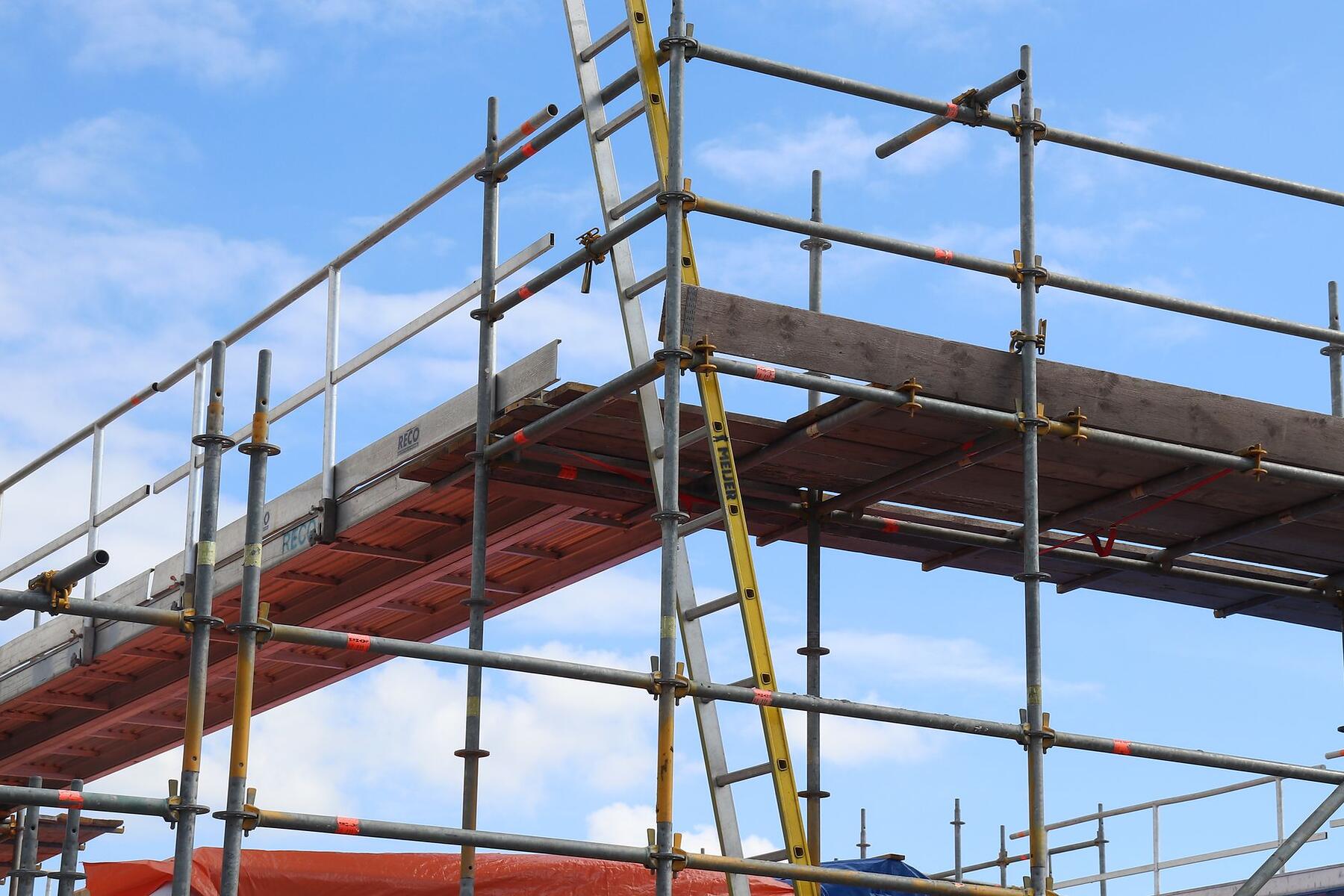
What security on a tower job covers
On a high rise the building stops being a box inside a fence and becomes the perimeter itself, so coverage moves vertically. The ground level post controls the street entrances, the hoist landing and the crane base. Above it, the work is sweeps: floors that were occupied by trades at 3pm and are empty, dark and open to the weather by 7pm.
A coverage plan on a tower names the vertical control points. Stair tower doors and their lock sequence. The material hoist and who may run it and when. Roof and crane access. Floors where copper, panels and mechanical equipment are stockpiled because there is nowhere at grade to put them. The parking levels of a podium, which on downtown Orlando sites are often open to the sidewalk long before anything else is.
The shift produces a record of which floors were swept and when, what was found open, and who was still in the building after the crew day. On a vertical job that record is the only way anybody knows whether the top eight floors were visited between midnight and dawn.
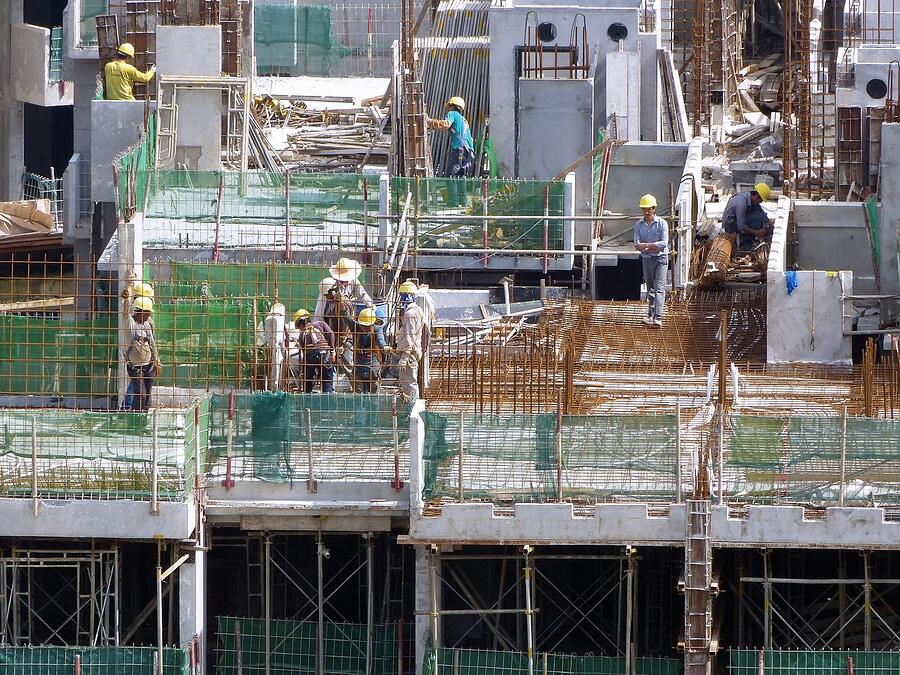
Vertical access is what makes a tower different
A fence at grade solves very little on a high rise. Once the structure is up, the ways into the occupied floors multiply: stair towers that fire code requires to stay passable, a material hoist, a scaffold or mast climber on an elevation, a podium deck that connects to a neighboring garage, and on downtown sites a parking level that opens onto a public sidewalk.
That is why tower coverage is usually a combination of posts. A ground post controls who enters. A sweeping officer covers the floors. On tall structures the sweep is planned in bands, because a person walking forty floors covers each one rarely, and the floors holding staged material earn more frequent attention than the shell above them.
The safety exposure drives this as hard as theft does. An unfinished floor has unguarded edges, open shafts, no permanent lighting and no railings on some elevations, and anybody who gets in after dark is a serious incident waiting to attach itself to your project. A person who has climbed into a tower to sleep, scrap or take photographs is the scenario every superintendent on a downtown job has considered.
Who buys security on a tower project
The general contractor buys it, and on tower work it is usually in the budget before the first loss rather than after, because the exposure is obvious from the start. Developers and lenders on Orlando tower projects also ask the question early, since a high rise carries a longer schedule and a larger builders risk policy than anything else in the metro.
The value at risk is different in kind from a horizontal site. The National Equipment Register and the NICB put average single equipment theft near $30,000 and total US construction losses between $300 million and more than $1 billion a year, and on a tower the equivalent exposure is copper, switchgear, mechanical units and finish packages staged floor by floor because there is no laydown yard. On a tight urban parcel everything gets stored in the building, which concentrates value in the one place that is hardest to watch.
The third buyer is the project with a public frontage problem. A tower going up on a downtown block sits against sidewalks, bars, transit and foot traffic at every hour, and the interface between the site and the street needs somebody on it.
Tower posts are usually unarmed, with one exception
Unarmed Class D coverage handles the overwhelming majority of tower work: access control at grade, floor sweeps, lock sequences, documentation and calling police. Florida backs the Class D with 40 hours of FDACS-approved training on a two year term, and that training is the relevant preparation for the contacts a tower officer makes.
The exception is a downtown site with a record of violent incidents on the surrounding blocks and a single officer working alone overnight inside a structure with no lighting and no cell coverage on the interior floors. That is a real argument for armed coverage, and where it applies we will make it. A Class G armed license sits on top of the Class D and requires four hours of firearms requalification in each year of the two year cycle under FDACS rules.
What usually serves a tower better than a firearm is a second officer. Two posts on a vertical job mean the ground entrance stays controlled while floors are being swept, and neither officer is alone forty floors from the street. That is the recommendation we make more often, and on most sites it costs less than the armed upgrade would once supervision is spread across the posts.
What tower coverage costs and what drives the number
Central Florida rates run about $24 to $34 an hour for an unarmed officer and $32 to $46 armed, and tower projects usually buy more hours than horizontal jobs because the exposure runs later into the evening and starts earlier in the morning. A ground post through the crew day plus an overnight sweeping post is the common shape.
Belfry Software (2026) describes the structure as a bill rate of 1.5x to 2x the officer wage, about 70% of which reaches the officer, with roughly 10% in indirect cost. On a multi-year tower contract that arithmetic is worth checking against every bid you receive, because a rate well under the band is funded by paying the person in your stair tower less than the market pays.
What moves your figure: the number of posts, the hours, whether weekends and holidays are covered, the height and therefore the sweep time, whether a hoist operator escort is needed, and how many floors hold staged material at once. What brings it down: combining posts so supervision is shared, and revisiting the pattern when the building tops out and the exposure shifts from the whole structure to the floors being finished.
Orlando conditions on a downtown or corridor tower
Orlando tower work concentrates in three places, and each one changes the job. Downtown sites sit on tight parcels with sidewalk frontage, night-time foot traffic and neighboring structures that connect at podium level. Tourism corridor and International Drive projects sit on larger parcels with a different problem: a city that welcomed 76.7 million visitors in 2025 according to Visit Orlando, and a stream of people around the site who have no idea a construction fence is a boundary. Lake Nona and Medical City work is more controlled at grade and more valuable inside, because medical and lab fit-outs stack expensive equipment on finished floors.
Convention traffic is a scheduling factor on any corridor job. The Orange County Convention Center runs around 200 events and over 2 million attendees a year, and move-in and move-out weeks reshape the roads a crane delivery or a concrete pour depends on. A ground post that holds the delivery sequence keeps trucks off a road that is already carrying a show.
Hurricane season affects towers more than anything else being built here. A crane in weathervane, a partially clad elevation and floors full of loose material are a shutdown that lasts days, and the coverage through it produces the dated condition record that a builders risk claim needs.
How to verify the agency and the officers
Chapter 493 of the Florida Statutes requires the agency performing this work to hold a Class B license. Nexus Security Firm holds B 1900066, and the record is public.
Officers hold their own licenses: Class D for unarmed work, backed by 40 hours of FDACS-approved training over a two year term, and Class G in addition for armed posts, with four hours of firearms requalification in each year. Search any of those numbers on the FDACS Division of Licensing license search and you get current status and expiration.
On a multi-year tower contract, make license verification a recurring item instead of a one-time check at award. Licenses expire on their own cycle, officers change, and a company that hands you numbers on request at month eighteen is behaving the same way it did at bid.
Other posts commonly set up on the same project
A job site rarely needs one post on its own; these are the ones that usually sit beside it.
How tower coverage gets planned
A tower plan is written in the vertical, and it gets rewritten as the structure grows.
-
Vertical walk with the superintendent
A supervisor walks the site from the street to the top working floor: entrances, podium connections, stair towers, hoist landing, crane base, roof access, and the floors currently holding material. We want the lock sequence as it exists at 6pm rather than as the plan describes it.
-
Post orders with a sweep plan
Orders name the posts, the lock sequence, who may use the hoist and when, the floors that get swept on each pass, and the escalation order for anything found. The sweep plan weights the floors holding staged material above the empty shell, because a full pass on every floor every hour is a promise no officer on any tower can keep.
-
Officers briefed on the structure
Assigned officers walk the building with the supervisor before the first shift, including the stair towers in the dark, because a stair tower at night is not the same route it is at noon. License numbers go to your project team at the same time.
-
Replanned as the building grows
Coverage on a tower goes stale faster than on any other site type. Every few floors the geometry changes, the hoist moves, a stair tower opens and material migrates upward. A supervisor reviews the sweep plan against the schedule and rewrites it rather than running month one orders in month ten.
Why a tower needs officers rather than a camera package
-
A camera cannot climb the stairs
Cameras on a tower cover the ground entrances and little else, because the interior is a moving target with no power, no permanent mounting and forty changing floors. The part of a high rise that needs eyes is the part a fixed camera cannot see. An officer sweeping floors finds the person in the stair tower, the propped door on level nine and the stack of copper moved to the hoist landing, and does it while there is still something to be done about it.
Average single construction equipment theft is around $30,000 (National Equipment Register / NICB)
-
Two posts beat one armed officer on most towers
The instinct on a difficult downtown site is to arm the post. The better spend is usually a second officer, so the ground entrance stays controlled while floors are being swept and neither officer is working alone thirty floors up with no radio coverage. We price both and say which one your site argues for. Where the surrounding blocks and the incident history call for armed coverage, Florida Class G officers requalify with firearms four hours in each year of the license cycle under FDACS rules.
Florida Class D officers complete 40 hours of FDACS-approved training (FDACS Division of Licensing)
-
Supervision that attends the building, including overnight
A tower post is the easiest post in this industry to do badly, because nobody from the project is there and nobody can see the fourteenth floor from the street. A supervisor is assigned to each post and physically attends it, overnight shifts included, and sweeps are logged by floor and time so a shift with a four hour hole in it is visible on the page. Industry guard turnover reached 77% in 2024 according to ASIS International, which is why supervision and written records matter more than any promise about consistency.
Industry guard turnover reached 77% in 2024 (ASIS International)
What Reddit Says About High Rise Construction Security in Orlando
The dominant theme in downtown commercial and multifamily threads is not equipment theft. It is people: homelessness and vagrancy come up more often than any other issue across downtown retail, commercial real estate and residential discussions, and an unfinished tower on a downtown block is the most attractive unlocked structure on the street. Most of what a tower officer deals with overnight follows from that, and the way it is handled matters legally as well as practically.
The second theme is a hard argument against relying on recordings. A shopping center owner made the point that people beat cameras because almost nothing at a property like that is ever prosecuted, so footage of an incident nobody pursues deters no one. On a construction site the logic is sharper still, because the deterrent that works is somebody who shows up while it is happening and calls police as a witness.
Working officers are also more cautious about armed posts than vendor marketing suggests. The position that recurs among them is that arming should follow the actual risk at that post, with several saying the added liability is not worth it on lower risk sites. That is close to the recommendation we make on most Orlando towers, where a second officer does more for coverage than a firearm does.
The questions buyers are told to ask apply with extra weight to a multi-year tower contract. What is your annual turnover and how do you retain officers. Who supervises this post and how often do they physically attend, including overnight. What happens when an officer calls out an hour before shift. What the officers on this contract are paid.
A typical high rise call from a downtown Orlando project
The situation: A common call from a general contractor on a downtown Orlando residential tower, structure topped out at the podium and rising, with no laydown space on the parcel and everything stored inside the building. The parking levels open onto a public sidewalk on two sides. Twice in a month, crews have arrived to find somebody sleeping on a lower floor, and a stair tower door that fire code requires to stay passable has become the route in. Copper for the first residential floors has started landing and is stacked on level four.
What gets done: A supervisor walks the structure at night with the superintendent and maps every way in from grade, including a podium slab that connects to the neighboring garage deck. Coverage is written as two posts: a ground officer controlling the street entrances and the hoist landing through the crew day and into the evening, and an overnight officer on a sweep plan that visits every floor holding material twice and the empty shell above it once per pass. The stair tower lock sequence is rewritten so the doors stay passable from inside while entry from the podium deck is controlled. Post orders route anyone found in the building to a police call rather than to a confrontation.
How it turns out: The sweeps log three contacts in the first month, all handled by asking the person to leave and calling police when one refused, with descriptions and times recorded and sent to the project team. The podium deck connection is closed off after the second contact came through it. Copper losses on level four never start. When the tower reaches its middle floors the sweep plan is rewritten, because the material has moved up eight levels and the plan written at podium height no longer describes the building.
High rise construction security questions
What Orlando tower contractors ask before a post is written.